
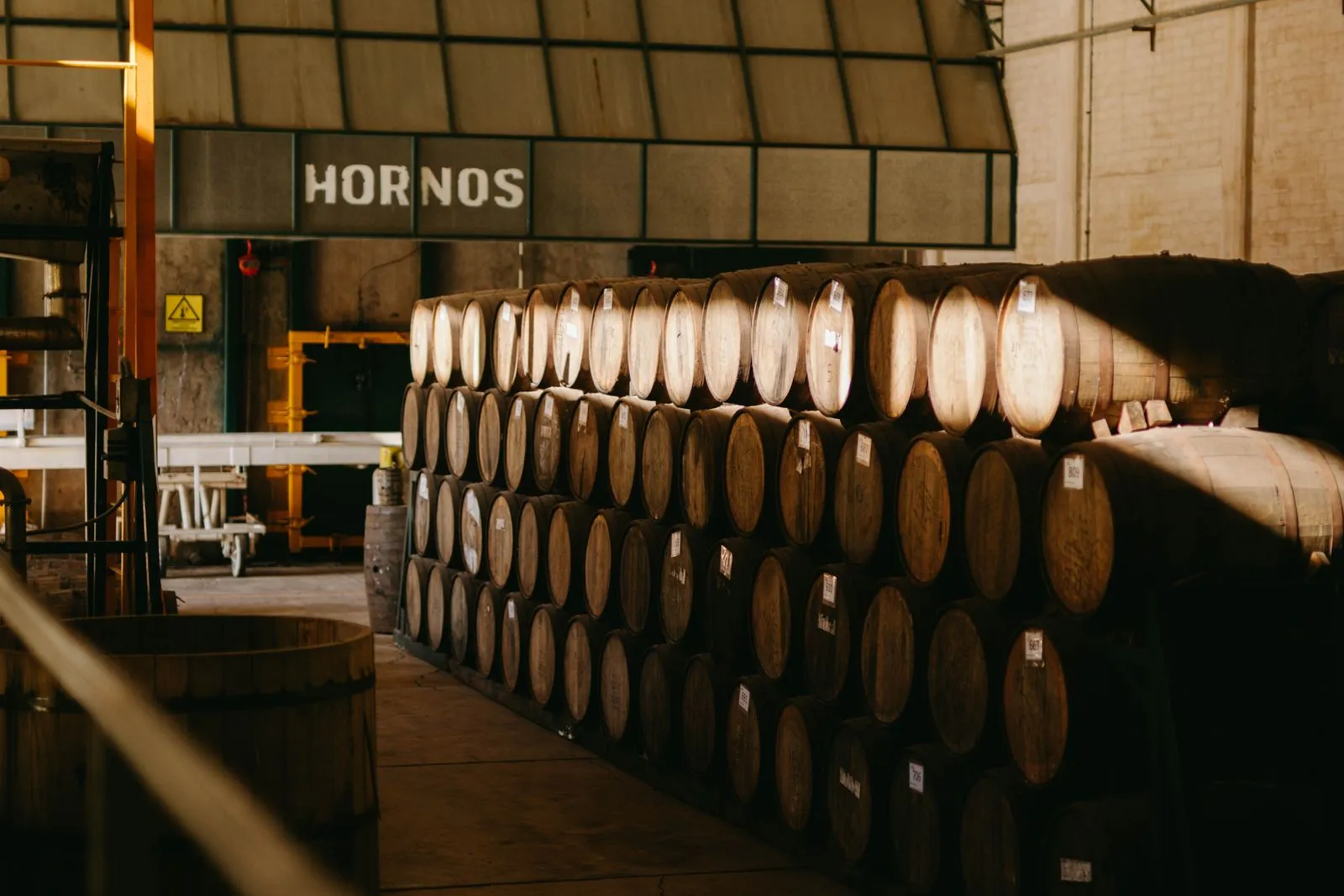
Barrel aging is more than storage. As a spirit rests in wood, it draws out flavor and color, responds to the conditions around it, and changes through gradual interaction with the barrel. The result depends on the wood, how the barrel was prepared, the spirit itself, and the time it spends inside. Understanding these influences helps explain why barrel-aged spirits can develop layers of aroma, a deeper hue, and a smoother-feeling finish without following a single formula.
Wood Adds Flavor and Aroma
A barrel’s wood contributes compounds that can bring notes such as vanilla, baking spice, toasted wood, or coconut. The exact profile depends on the wood species, the barrel’s history, and how its interior was treated. New, heavily charred oak behaves differently from a used barrel that has already held another liquid. These influences join the spirit’s original character rather than simply covering it.
Barrel staves also allow small exchanges with the surrounding air. Over time, those exchanges can soften some sharper aromas and help different flavor notes feel more integrated. The warehouse environment matters: temperature changes affect how the spirit moves into and out of the wood. Aging is therefore an interaction between the spirit, its container, and its surroundings—not just a countdown on a calendar.
Char Influences the Profile
Before a barrel is filled, its inside may be toasted, charred, or both. Toasting gently heats the wood, while charring creates a more intensely treated inner surface. These steps influence which wood-derived flavors become available and how the spirit interacts with the barrel. A charred layer can also help filter some compounds as the liquid moves through the wood during temperature changes.
The level of treatment is only one part of the outcome. The spirit’s strength when it enters the barrel, the barrel’s prior use, and the aging conditions also shape what emerges. That is why two barrels made from similar oak can produce distinct results. Distillers assess the spirit as it matures and decide when its wood influence complements, rather than overwhelms, its base character.
Color Builds Through Contact
Many clear spirits gain color during barrel aging as they extract compounds from the wood. The shade can range from pale gold to deeper amber or brown, depending on the barrel and the length and conditions of aging. Color offers a visible clue that the spirit has interacted with wood, but it does not tell the whole story. A darker spirit is not automatically more complex or better balanced.
Lighting, the spirit’s original ingredients, and any permitted finishing steps can also affect how color appears. For a meaningful comparison, look at the liquid against a neutral background and consider its aroma and taste as well. Color is one part of a spirit’s character, not a reliable substitute for tasting it.
Time Changes Texture and Balance
As a spirit matures, wood interaction and gradual changes in the liquid can make its texture seem rounder or softer. Some of the spirit’s sharper edges may become less prominent, while barrel-derived flavors add structure. The effect varies: too much wood influence can make a spirit taste dry or dominated by oak, while too little time may leave its flavors less integrated.
There is no universal aging period that guarantees a particular result. Barrel size, warehouse conditions, spirit style, and the producer’s intended profile all matter. Distillers use tasting and evaluation to judge development rather than relying on age alone. A well-balanced spirit brings its original character and barrel influence together, with aroma, flavor, color, and texture working in concert.
A barrel shapes a spirit through wood contact, char, air, and time. Each choice—from the barrel’s history to the aging environment—can change the final balance, so age alone cannot explain a spirit’s character. To explore how these details come together, ask Monroe Barrel Works about its barrel-aged spirits.